A well-maintained radiator is essential for keeping your engine running at the correct temperature. Without proper care, the cooling system can fail, leading to overheating, engine failure, and expensive repairs.
Most car radiators last around 8-10 years, but smart habits can make yours last longer. In areas where stop-start traffic, salted winter roads, and unpredictable weather are common, radiator maintenance is even more important.
This guide shows you how to keep your radiator in top condition through regular checks, cleaning, and preventative care.
Why radiator maintenance matters
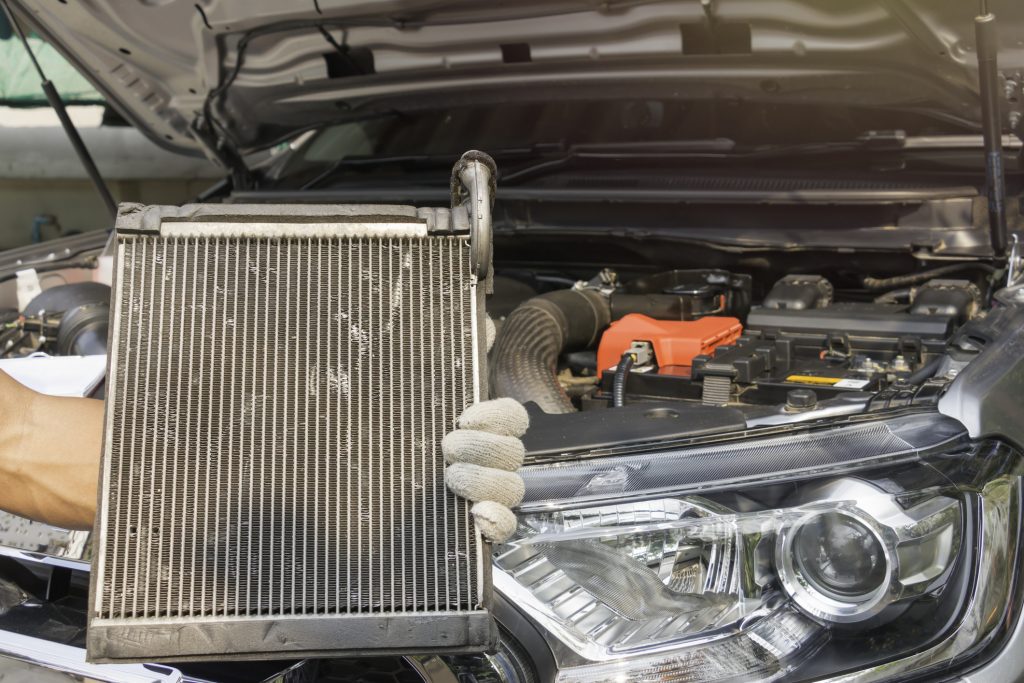
Your car’s radiator regulates engine temperature and prevents overheating. Neglecting maintenance can lead to corrosion, leaks, or total radiator failure, often resulting in costly engine damage. Prevention is always cheaper than repairing your cooling system.
What does the radiator do in a car cooling system?
The radiator circulates coolant through the engine, absorbing heat and releasing it through thin fins as air passes over them. This heat exchange process maintains optimal engine temperature and ensures efficient performance in all weather conditions.
How does neglect shorten radiator lifespan?
While the radiator is the core heat exchanger, its lifespan is also impacted by neighboring parts such as the thermostat, water pump, fan, and radiator cap. If these fail or degrade, they increase thermal or mechanical stress on the radiator.
Don’t overlook the radiator pressure cap. It helps maintain the correct pressure in the cooling system, which raises the coolant’s boiling point and prevents vapour formation. A worn or leaking cap can lead to collapsed hoses, coolant loss, or overheating, even if the radiator looks fine.
Common issues include:
- Poor coolant quality leading to corrosion.
- Untreated leaks causing overheating.
- Debris and scale buildup restricting coolant flow.
Products like K-Seal offer a safe, temporary fix for small radiator leaks while you arrange professional inspection or repair.
- K-Seal is a versatile fix for most cars.
- K-Seal Ultimate is a stronger formula for more stubborn leaks.
- K-Seal HD is a heavy-duty formula for Heavy Duty vehicles with bigger cooling systems.
Key factors that affect radiator lifespan
While most car radiators last 8-10 years, their lifespan varies depending on driving habits, materials, and maintenance.
| Vehicle Type | Average Radiator Lifespan |
| Small hatchback | 8 years |
| Sedan | 8-10 years |
| SUV or 4×4 | 10-12 years |
| Commercial vehicle | 7-9 years |
Radiator material and construction
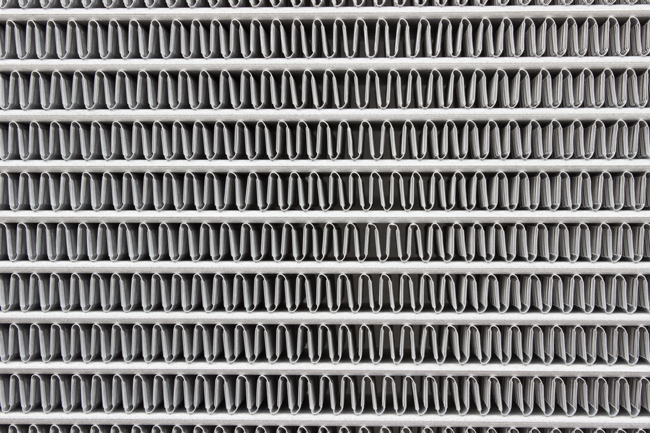
- Plastic-aluminum radiators are lightweight and efficient but may crack over time.
- Copper-brass radiators conduct heat well but corrode faster without quality coolant.
- Full-alloy radiators are durable and ideal for performance vehicles, though costly to replace.
Driving conditions and habits
Various driving environments pose unique challenges:
- Salt exposure from winter roads accelerates corrosion.
- Short trips prevent the engine from reaching optimal temperature, promoting sludge.
- Stop-start driving causes repeated heat cycles, which strain the cooling system.
- Highway driving generally extends radiator life due to steady airflow.
Maintenance and care
Consistent maintenance is the best way to prevent radiator failure. Regular coolant checks, system flushes, and hose inspections keep the cooling system performing efficiently and extend overall radiator life.
Car radiator maintenance tips
Follow these simple maintenance habits to keep your radiator healthy and extend its life.
Check coolant regularly
Inspect coolant level and color each month.
- Top up with the correct coolant type for your vehicle.
- Avoid mixing different coolant types.
- Cloudy or rusty coolant means it’s time for a flush.
- Keep an eye out for coolant reservoir overflow.
Clean the radiator exterior
Dirt, insects, and debris can block airflow through the radiator fins.
- Use a soft brush or gentle spray to remove buildup.
- Avoid pressure washers, which can bend delicate fins and reduce cooling efficiency.
Inspect hoses and clamps
Check for cracks, leaks, or loose fittings every few months. Watch out for hoses collapsing when cooled, and bulged or hard radiator hoses. Even a small coolant leak can lead to coolant loss and require repair with a radiator leak sealant.
Seasonal radiator care
- Winter: Wash off salt and check for corrosion.
- Summer: Ensure the cooling fan works and remove trapped debris before long trips.
How to prevent corrosion and internal damage
Over time, coolant loses its anticorrosive properties, allowing rust and sludge to form. Follow these recommendations to maintain optimal coolant chemistry:
Use quality coolant and change it on schedule
Coolant additives protect against corrosion and mineral buildup. Most vehicles need a full coolant flush every 2-3 years, depending on driving conditions, but always check your manufacturer’s recommendation.
Avoid mixing coolant types
Mixing incompatible coolant types can cause gelling or internal clogging, which reduces heat transfer and may damage seals or gaskets. Always use the coolant type specified for your vehicle.
Watch for early warning signs
Look out for:
- Brown or sludgy coolant.
- Overheating.
- A sweet smell or steam emerging from under the hood.
- A wildly fluctuating temperature gauge.
These are clear signs your cooling system needs attention.
When maintenance isn’t enough: repair or replace?
Even with regular care, radiators eventually wear out. If you find yourself repeatedly fixing leaks, the radiator is over 10 years old, or you’ve upgraded your engine/towing load, it may be more cost-effective to replace rather than keep repairing.
Minor fixes that can extend life
Before replacing your radiator, consider small repairs such as:
- Tightening loose clamps.
- Replacing worn hoses.
- Ask your mechanic for a professional chemical clean.
When a new radiator is the best option
If you experience persistent leaks, heavy corrosion, or repeated overheating this usually means replacement is more cost-effective than ongoing repairs. When replacing, choose a unit that meets or exceeds original equipment specification, with proper material, core, and pressure rating.
Using K-Seal for temporary leak repair
For small leaks, K-Seal offers a proven, quick-acting solution that seals cracks and pinholes in the radiator or head gasket without clogging the system.
Radiator maintenance checklist
Monthly
- Check coolant level and color.
- Inspect the radiator area for leaks.
Quarterly
Clean radiator fins and remove debris.
Annually
Ask your mechanic for a coolant test and pressure check.
Regular radiator maintenance keeps your car running smoothly, prevents breakdowns, and saves money in the long run.
By checking coolant, cleaning the radiator, and acting early on leaks, you can extend your radiator’s lifespan significantly. For small leaks or temporary fixes, K-Seal is a trusted solution that helps keep your car on the road safely until permanent repairs are made.
FAQs about car radiator maintenance
How often should I check my radiator?
Check your coolant levels monthly and before long trips.
What coolant should I use in my radiator?
Always use the manufacturer-specified coolant type to avoid chemical incompatibility.
Can I use K-Seal to fix a radiator leak?
Yes. K-Seal safely seals small radiator leaks and is suitable for most vehicles.
Does the radiator get checked during an MOT?
Not directly, but a leak or overheating issue can cause a vehicle to fail a safety inspection.