Why should you flush your radiator coolant?
Over time, engine coolant can become contaminated with rust, scale and sludge, reducing the efficiency of your vehicle’s cooling system and increasing the risk of engine overheating. As coolant deteriorates, it can become more acidic and lose its ability to transfer heat effectively and protect against corrosion. This can contribute to corrosion inside components such as the radiator, heater core and water pump, while allowing rust, scale and other deposits to build up throughout the cooling system.
If left unchanged, contaminated coolant can restrict coolant flow, place additional strain on cooling system components and lead to poor engine performance or costly repairs. Flushing a car radiator and cooling system removes old coolant, rust and debris, while replacing it with fresh coolant protects against corrosion, freezing and overheating.
Most vehicle manufacturers recommend flushing the radiator coolant system every two to five years, helping to maintain efficient coolant circulation and extend the lifespan of key components such as the radiator, water pump and engine.
Tools you’ll need
- Protective gloves
- Drain pan
- Funnel
- Distilled water
- Fresh coolant
- Socket or screwdriver (if required)
- Rags
How to flush a radiator coolant system
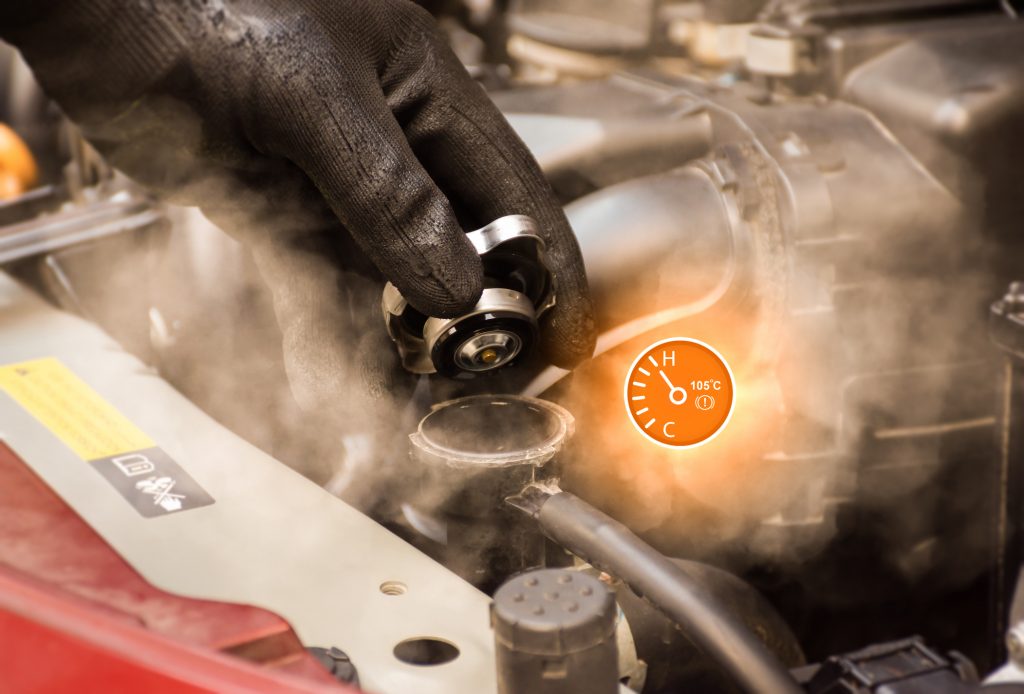
- Allow the engine to cool. Wait at least two hours after turning it off to be safe. Never remove the radiator cap while the engine is hot, as pressurised coolant can cause serious burns.
- Clean the radiator. Remove dirt and debris from the outside of the radiator using soapy water and a soft brush.
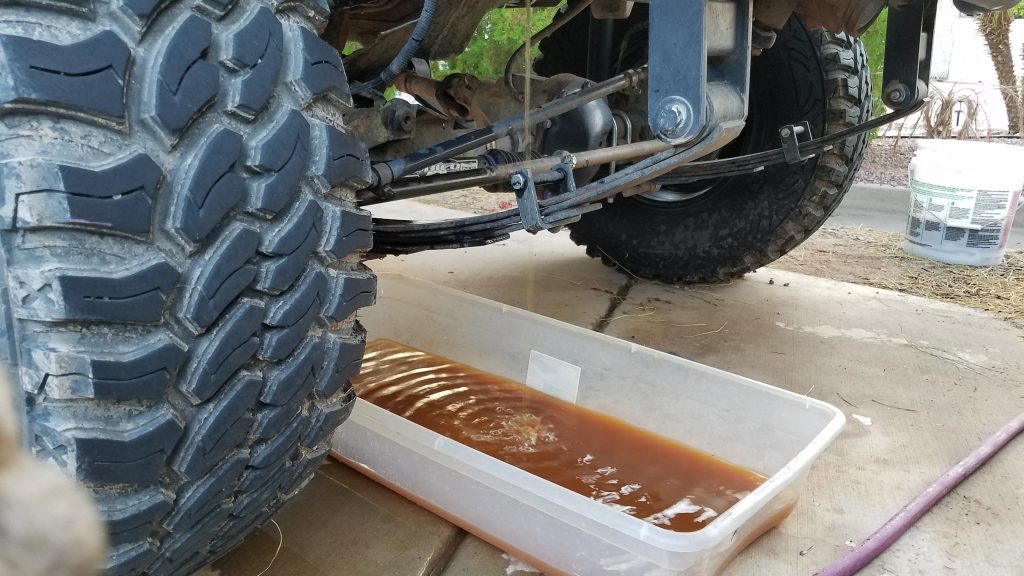
- Drain the old coolant. Position a drain pan underneath the radiator drain valve (or petcock), then open the valve to allow the old coolant to drain completely.
- Inspect the radiator hoses and cap. Check the radiator cap and both hoses for signs of cracks, swelling or leaks. Replace any worn components before continuing. If you notice signs of a coolant leak while inspecting the hoses or radiator, identify the source before flushing the system.
- Flush the cooling system. Fill the radiator with clean water and continue flushing until clear water exits the drain valve, removing old engine coolant, rust and sludge.
- Refill with fresh coolant. Close the drain valve and refill the radiator with the correct coolant mixture recommended by your vehicle manufacturer.
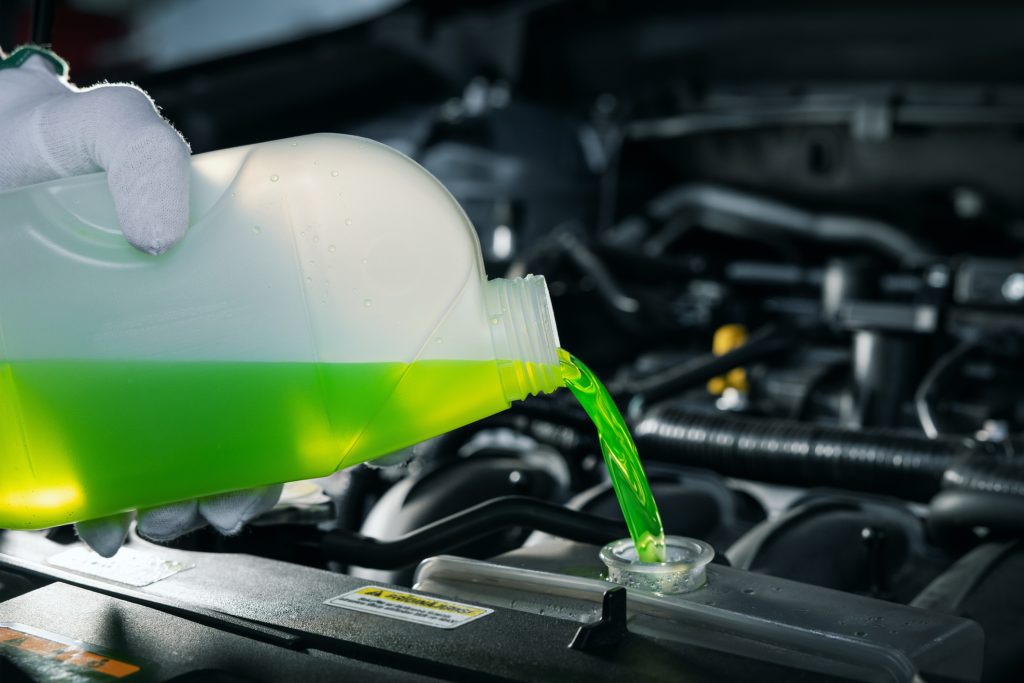
- Bleed the cooling system. Leave the radiator cap off and run the engine for around 15 minutes to remove trapped air before topping up the coolant if required.
Never pour old coolant down a drain or onto the ground. Collect it in a sealed container and take it to your local recycling centre or authorised waste disposal facility.
If in doubt, please consult a qualified mechanic.
Signs your cooling system needs flushing
Over time, engine coolant can become contaminated with rust, scale and sludge, reducing its ability to protect your engine and cooling system. If you notice any of the following warning signs, it may be time to flush your radiator and replace the old coolant:
- Rust-coloured coolant: Coolant that appears rusty or reddish-brown can indicate corrosion inside the radiator or engine.
- Brown sludge in the radiator: Thick deposits or sludge may restrict coolant flow and reduce the efficiency of the cooling system.
- Engine overheating: If your engine is running hotter than normal, contaminated coolant or blocked passages could be preventing proper heat transfer.
- Heater not blowing hot air: Poor cabin heating can be a sign that sludge or air pockets are restricting coolant circulation through the heater matrix.
- Dirty or cloudy coolant: Fresh coolant should be clean and brightly coloured. Depending on the coolant specification your vehicle requires, fresh coolant may be green, pink, red, blue, orange or yellow. If it looks dirty, cloudy or contains debris, it may need replacing.
- Fluctuating temperature gauge: A temperature gauge that regularly rises and falls could indicate inconsistent coolant flow caused by contamination or blockages.
If you experience one or more of these symptoms, flushing the radiator and cooling system can help restore coolant circulation and protect key components such as the radiator, water pump and thermostat. If the problem persists after a coolant flush, inspect the cooling system for leaks. If you’re unsure what’s causing the problem, our 60 Second Problem Solver can help you identify common cooling system faults.
What happens if you don’t flush your radiator?
If you don’t flush your radiator and cooling system at the recommended intervals, old coolant can become contaminated with rust, scale and sludge. Over time, this can restrict coolant flow and reduce the system’s ability to control engine temperature.
Possible problems include:
- Engine overheating: Blocked coolant passages and reduced circulation can cause the engine to run hotter than normal. Persistent overheating can also contribute to cylinder head or head gasket damage if left unresolved.
- Poor heater performance: Sludge or trapped debris can restrict flow through the heater matrix [heater core], reducing the amount of warm air entering the cabin.
- Internal corrosion: Old coolant loses its protective properties, allowing corrosion to develop inside the radiator, engine and cooling system components.
- Water pump wear: Contaminated coolant can damage seals and increase wear on the water pump.
- Radiator blockage: Deposits can build up inside the radiator and prevent coolant from circulating efficiently.
- Expensive repairs: Ignoring cooling system maintenance can eventually lead to damaged hoses, a failed water pump, radiator problems or serious engine damage.
Regularly flushing the radiator and replacing the old coolant helps maintain efficient circulation, protect cooling system components and reduce the risk of overheating.
How much does a radiator coolant flush cost?
The cost of repairing a cooling system varies depending on the vehicle make and model, the component that needs attention, and the cost of parts and labour.
- Professional service: Typically ranges from £50-£150, including labour, disposal fees, and high-quality coolant.
- DIY approach: Expect to spend around £20 to £50 on coolant, distilled water, and basic tools, assuming you already have items like gloves and a drain pan.
Regular coolant flushes are a small investment in preventing major engine problems. Whether you take your car to a shop or do it yourself, staying on top of this maintenance task will keep your vehicle running cool and smooth for years to come. If flushing the cooling system doesn’t solve the problem, damaged cooling system components may need to be repaired or replaced.
What if your radiator is still leaking?
Flushing the cooling system removes contaminated coolant but won’t repair a damaged radiator or leaking cooling system component. If flushing the cooling system reveals a leak rather than solving the problem, a radiator sealant such as K-Seal can repair leaks in the radiator, heater matrix, engine block, water pump and head gasket without expensive dismantling. Explore the K-Seal range to find the right radiator and cooling system repair product for your vehicle.
Always flush heavily contaminated coolant before adding a sealant and follow the product instructions carefully.
FAQs about flushing engine coolant
Is a coolant flush necessary?
Yes. Regular coolant flushes help remove old coolant, rust, scale and other contaminants that can restrict circulation and reduce cooling system performance. As coolant ages, it can also lose its ability to protect components against corrosion. Follow your vehicle manufacturer’s recommended coolant replacement interval, which is typically every two to five years, although this varies by vehicle and coolant type.
How long does a radiator flush take?
A radiator coolant flush typically takes 30-60 minutes, depending on your vehicle and the condition of the cooling system. If you also need to replace damaged hoses, bleed the system or remove stubborn sludge, the job may take longer.
Should I flush the engine coolant before adding K-Seal?
If the coolant is heavily contaminated with rust, sludge or debris, it’s a good idea to flush the cooling system before adding K-Seal. Fresh coolant helps maintain good circulation and allows the product to work effectively. If the existing coolant is clean and in good condition, you can generally add K-Seal directly to the cooling system by following the product instructions.
Can old coolant cause overheating?
Yes. As engine coolant ages, it loses its ability to transfer heat efficiently and protect against corrosion. Rust, scale and sludge can build up inside the radiator and cooling system, restricting coolant flow and causing the engine to overheat. Regularly flushing the cooling system and replacing the coolant helps keep the engine running at the correct operating temperature.
Don’t Know What Your Car Radiator Problem Is?
Quickly diagnose the cause of car radiator leaks and repair them with our expert guides.
