Car depreciation is one of the highest and often overlooked costs of vehicle ownership. From the moment a car leaves the forecourt, its value begins to fall, sometimes faster than many drivers expect. Understanding how depreciation works is essential for anyone who wants to protect their car’s resale value and make smarter buying and ownership decisions.
This guide explains what car depreciation is, why it matters, which factors influence it most, and, crucially, how to minimise it as much as possible through informed choices and good maintenance habits.
Why does car depreciation matter?
Depreciation affects nearly every car on the road and has a major impact on how much it’s worth when you come to sell or trade it in. Some vehicles lose value rapidly, while others hold their worth surprisingly well.
Because depreciation can cost drivers thousands of pounds over a few years, understanding the factors that affect depreciation helps you avoid costly mistakes and choose vehicles that retain more of their original price.
What does depreciation mean?
Depreciation is the reduction in a car’s value over time. It’s influenced by factors such as age, mileage, condition, brand reputation, model popularity, and wider market conditions. The longer a car is owned and used, the more its value typically declines.
How does depreciation work?
New cars depreciate as soon as you buy them, and typically lose most of their value in their first three years. This initial drop is often the steepest, after which depreciation slows as the car ages. In simple terms, depreciation is calculated as the difference between the price you paid for the car and its current market value.
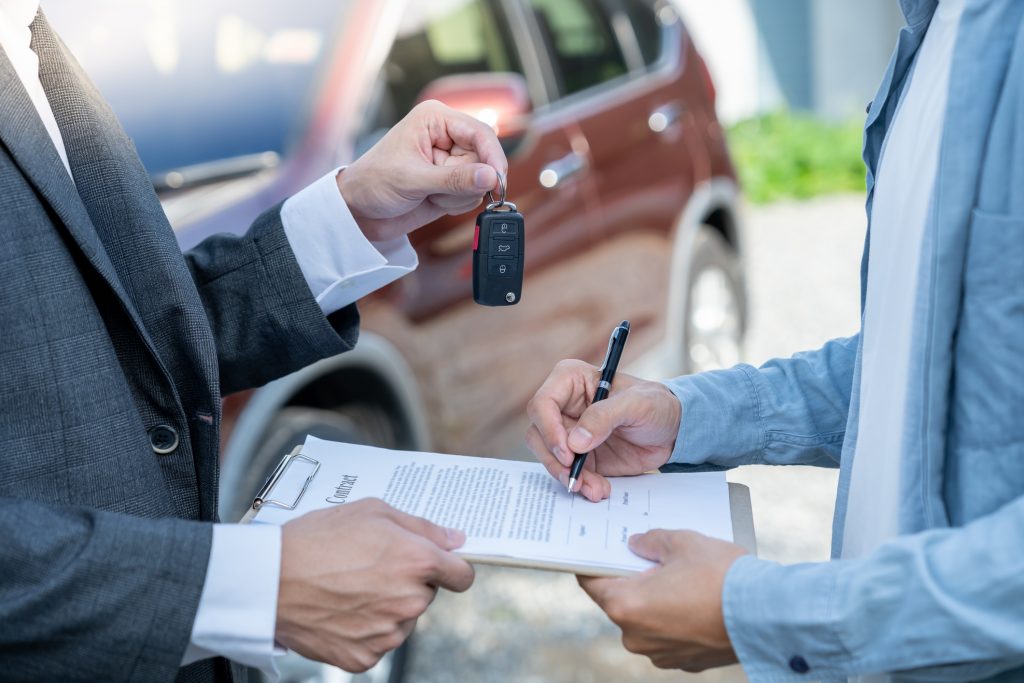
Key factors that affect how quickly a car depreciates
Several internal and external influences determine how fast a car loses value. Understanding these helps drivers make better long-term decisions.
Vehicle-specific factors
- Age and mileage: Higher mileage and older cars generally have lower resale values.
- Service history: A full, documented service history reassures buyers and protects value.
- Condition: Mechanical reliability, bodywork, and interior condition all matter.
- Number of previous owners: Fewer owners usually means higher appeal.
- Brand and model desirability: Some manufacturers are known for reliability and strong resale value.
Market and external factors
- Demand trends: Popular models and body styles depreciate more slowly.
- Emissions regulations: Changes can reduce demand for older petrol or diesel vehicles.
- Running costs: Insurance, tax, fuel efficiency, and maintenance costs affect buyer interest.
- Fuel type preferences: Shifts toward hybrid or electric vehicles can impact traditional models.
How to reduce car depreciation
While depreciation can’t be avoided entirely, there are effective ways to slow it down.
Buy smart
Choosing the right car from the start is one of the best ways to limit car depreciation. Look for models with strong resale reputations, consider nearly-new cars to avoid heavy first-year value loss, and review predicted residual values before buying.
Maintain the car properly
Regular maintenance protects both reliability and resale value. Stick to manufacturer service schedules, keep mileage reasonable, and maintain a complete service record. Addressing minor issues early, such as cooling system problems, can prevent costly damage and protect your car’s value. Products like K-Seal can help quickly and cost-effectively address cooling system leaks.
Learn more about our K-Seal products and get guidance on repairing car radiator leaks.
Look after the cosmetic condition
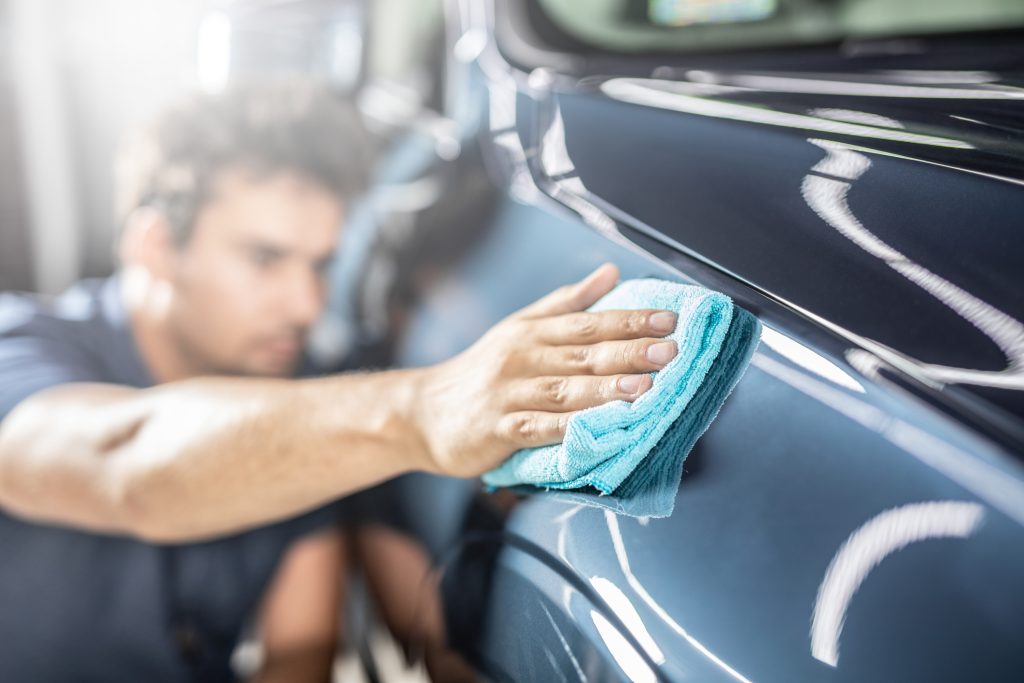
Clean interiors, well-maintained paintwork, and avoiding smoking in the car all contribute to a stronger car resale value. Small cosmetic issues can have a surprisingly large impact on buyer perception.
Common mistakes that accelerate depreciation
Certain habits can cause a car’s value to drop faster than expected.
Poor maintenance
Skipping services, using low-quality repairs, or ignoring early warning signs can seriously harm depreciation value. Cooling system issues, if left untreated, can lead to major engine damage. Preventative solutions like K-Seal can help avoid unnecessary value loss.
Explore our K-Seal products or read about the signs your cooling system needs a repair.
Unpopular modifications
Non-standard paint colours, body kits, or aftermarket changes may appeal to some owners but often reduce buyer interest and resale value.
Neglecting the interior and exterior
Stained upholstery, worn seats, scratches, and poor cleanliness can all make a car less desirable and reduce its market value.
Depreciation and car leasing
Depreciation plays a central role in leasing agreements.
What does depreciation mean in a lease?
Leasing companies estimate how much value a car will lose over the contract period. This forecasted depreciation determines monthly payments, alongside interest and fees.
Why can leasing minimise depreciation worries?
With leasing, drivers only pay for the value of the vehicle used during the contract. Because the long-term resale value isn’t the driver’s responsibility, depreciation risk is significantly reduced.
When does depreciation become a deciding factor?
Depreciation should influence decisions at several key stages of car ownership.
When buying new
New cars experience the steepest depreciation early on. Buyers should research models with strong residual values and consider whether the initial cost is justified.
When selling or trading in
Timing matters. Selling before major mileage milestones or expensive repairs can help maximise value.
Choosing alternatives to minimise depreciation risk
Nearly-new or used cars, and leasing, allow drivers to avoid the largest depreciation hit altogether.

Car depreciation checklist
- Monthly: Keep the interior clean and check for wear.
- Quarterly: Inspect paintwork and address small cosmetic issues.
- Annually: Maintain a full service history with timely servicing.
- Before selling: Gather paperwork, fix minor issues, and have the car professionally detailed.
FAQs about car depreciation
How much value does a car typically lose?
Most new cars lose 15–35% of their value in the first year, with depreciation slowing thereafter. The typical residual value of a new car after three years is around 40% of the original price.
Which cars depreciate the fastest?
Luxury models, high-performance cars, and vehicles with high running costs often depreciate more quickly.
How can I slow my car’s depreciation?
Buying wisely, maintaining the vehicle properly, and keeping it in good cosmetic condition are the most effective strategies.
Does mileage or age matter more for depreciation?
Both matter, but high mileage often has a greater impact once a car reaches certain age thresholds.
How does depreciation work when leasing?
Under a lease, you pay for the expected depreciation over the term of the contract, not for the car’s full value.
Overall, preventing and addressing coolant leaks with reliable solutions such as K-Seal supports proper vehicle maintenance, helping protect your car engine’s health and slow the depreciation of your car’s value.